Back
Councils: the real lever isn't cost cutting, it's smarter, more efficient service delivery
Customer Experience



Rate caps are tightening, community expectations are rising. Cost-of-living pressure means every rate increase gets scrutinised. Faced with this squeeze, the instinct in many councils is to reach for the same lever: cut costs, freeze a vacancy, trim a program, delay a project.
This is an understandable response, but it's also the wrong lever to pull first.
Cost cutting can only take a council so far before it starts cutting into the services communities actually rely on: waste collection, planning approvals, aged and disability support, community facilities. Once discretionary spend is gone, the next round of cut shits frontline delivery, and that's when rate payers notice.
Efficient service delivery works differently. It's not about doing less with less, it's about redesigning how services are delivered so councils can do more with what they already have: fewer duplicated steps, less rework, faster approvals, better use of the people and technology already on the payroll.
In our conversations with councils across FY27, this distinction keeps surfacing. Councils don't want to be told to cut, they want help finding capacity that's currently locked up in clunky processes, disconnected systems, and manual work that a better-designed service could remove entirely.
A few practical examples we see making a real difference:
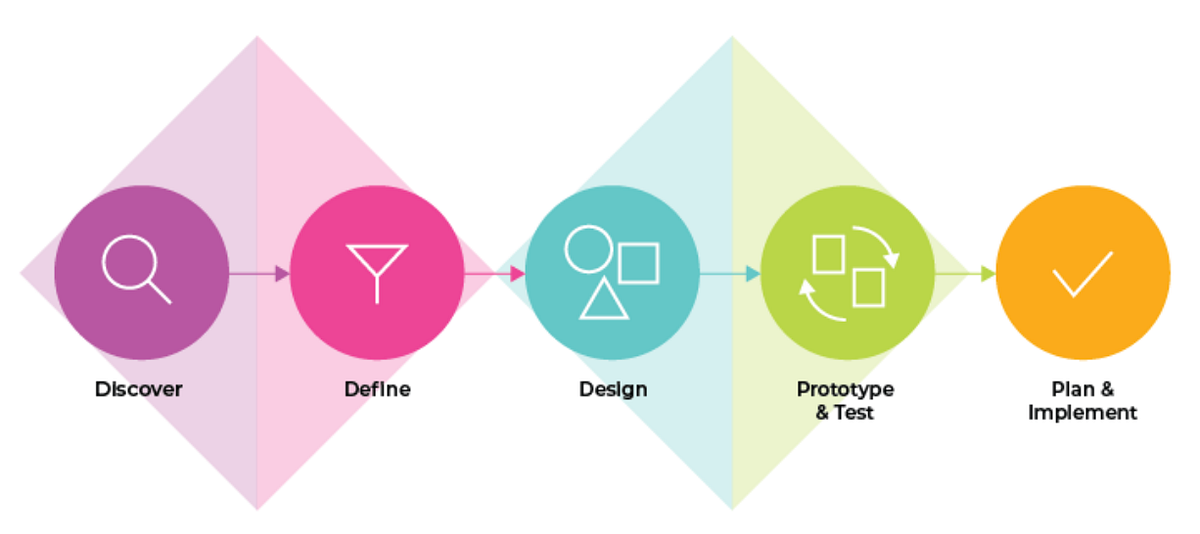
Map the journey before you touch the budget. Many councils are still resourcing services based on how they've always been structured, not on where residents actually get stuck. A service design review of a high-volume process, like a development application or a rates enquiry, often finds that the biggest cost isn't the service itself. It's the rework caused by unclear information, handoffs between teams, or channels that don't talk to each other.
Give staff the tools to do the job once. Efficiency gains rarely come from asking staff to work harder. They come from removing the friction that makes good staff slow: duplicate data entry, paper-based approvals, and systems that don't share information. This is where AI and automation earn their place, not as a cost-cutting headline, but as a practical way to free up capacity for the higher-value, relationship-based work only people can do.
Build the capability to sustain the gains. A process redesign that isn't backed by trained, confident staff will drift back to old habits within a year. Efficiency has to be paired with capability building, so improvements hold once the consultants leave the building.
Prioritise by community value, not just volume. Not every service needs the same level of investment. Efficient councils are clear-eyed about which services matter most to their community and direct their limited capacity accordingly, rather than spreading improvement efforts evenly across everything.
This isn't just an operations argument. It's a financial sustainability one. Councils that improve how services are delivered create headroom in the budget without the political and community cost of visible cuts. That headroom can fund the services communities are asking for, rather than simply keeping the lights on.
It also changes the conversation with ratepayers. “We found a smarter way to deliver this service” is a very different message to “we can no longer afford to provide this service.” One builds trust, the other erodes it.
Efficiency work doesn't need to start with a council-wide transformation program. It starts with picking one or two high-volume, high-friction services, mapping how they actually work today, and identifying where capability, process redesign, or technology can remove the friction. From there, the case for broader investment builds itself, backed by evidence rather than assumption.
At The Strategy Group, we partner with councils to find this capacity: through customer experience reviews, employee experience and capability building, and responsible AI implementation, grounded in what your community and your people actually need. If cost cutting has started to feel like the only option on the table, it's worth a conversation about what smarter service delivery could unlock instead.
Get in touch with The Strategy Group to talk about where the capacity in your organisation might be hiding.

We exist to transform human experiences.


130/20 Spring Street
Bondi Junction
NSW 2022
©2026 The Strategy Group. All rights reserved.